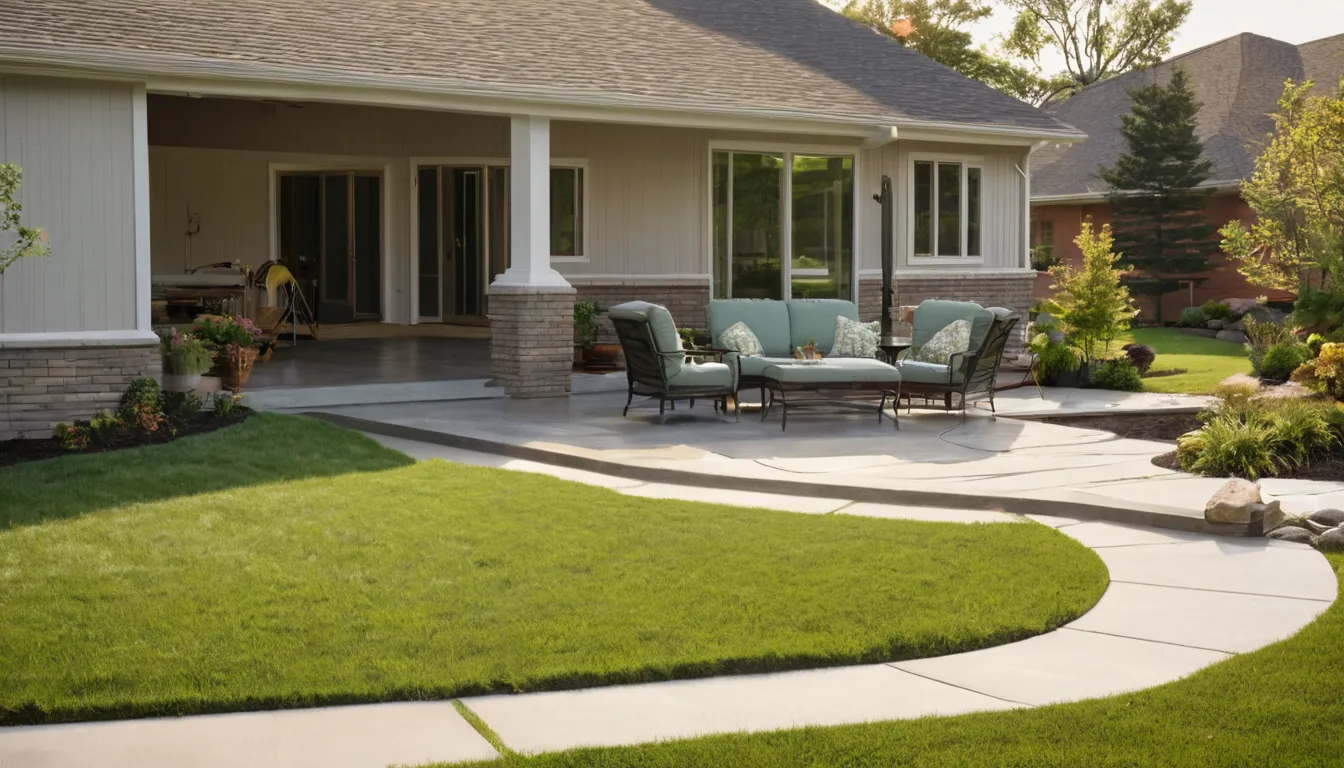
Want a concrete patio? Start with three choices: size, finish, and drainage. Get those right and the rest is simple. This page walks through each one in plain words, so you know what to expect before anyone breaks ground.
Comfortableprince Concrete is a referral service. We do not pour concrete. We connect homeowners in the Mesquite area with independent local providers who do the work. You share what you want, a provider reviews it, and you get a written quote. You decide what happens next. Nothing is pushed, and the plan can fit around school runs, work shifts, and weekends.
Start with the timing
Book early. That is the short answer. Pour days depend on weather, and in the Mesquite area the weather moves around. Hot, humid summers and tropical storm season can shuffle any schedule.
Providers often fill their calendars before the good weeks arrive. If you want a patio ready for a certain season, ask about timing first. Then pick the design.
Why homeowners choose concrete
Concrete is sturdy, flat, and easy to live with. It also suits the way many local homes are built.
It handles heat and heavy rain
A properly poured slab shrugs off summer sun and hard downpours. It does not rot, and it does not need staining every year. Pests leave it alone.
It matches slab-on-grade homes
Many ranch homes here sit on a slab. A concrete patio at the back door keeps the step height low and the look clean. It works with brick and with vinyl siding.
What a new patio project includes
Most jobs follow the same path. Details vary by provider and by yard.
- Site check and measurements
- Clearing and grading the area
- Setting forms and a gravel base
- Reinforcement, such as rebar or wire mesh
- Pouring, finishing, and cutting control joints
- Curing time before use
This kind of work is called concrete flatwork. Ask each provider to list which steps are in the quote.
Plan around your week
A patio job is short on most days and noisy on a few. Tell the provider about your routine up front. Mention nap times, remote work calls, and driveway needs.
A good plan covers where the crew parks, where the mixer truck stops, and which gate stays open. Pets and kids need a clear line away from wet concrete. Settle those details before the start date, not on it.
Pick your size
Bigger is not always better. Right-sized is better.
Measure with furniture
Set out your table, chairs, and grill on the lawn. Leave room to pull chairs back and walk around. Many homeowners find that a few extra feet make the space far easier to use.
Think about the next few years
A fire pit, a hot tub, or a shade structure may come later. Tell the provider now. The slab may need more thickness or a different base for heavy loads.
Pick your finish
The finish changes how the patio looks, feels, and handles wet shoes.
Broom, smooth, or exposed
A broom finish gives light grip and is common around wet areas. Smooth troweled concrete looks sleek but can be slick when wet. Exposed aggregate shows small stones and hides small marks well.
Stamped concrete patios
Stamped concrete patios use patterns and color to mimic stone, brick, or wood. They cost more than plain concrete. They also need a sealer to hold color in strong sun. Ask to see a sample in daylight.
Drainage and your foundation
Water must run away from the house. This matters more than the finish.
Slope and downspouts
A patio next to the house should drop slightly as it moves away from the wall. Providers often plan about a quarter inch per foot. Downspouts should not dump onto the slab or beside the foundation.
Heavy storm rain tests every patio. If your yard already holds water, say so. Some jobs need a drain line or a regrade.
When the house already has problems
See cracks in a wall or doors that stick? Talk to foundation repair experts before you add a slab nearby. A patio will not fix a settling house. A new slab can also change how water moves past it.
Choosing a concrete provider
Providers in our network are independent. You still need to check them. Get at least two written quotes so you can compare scope, not just price.
Questions worth asking
- Are you licensed and insured for this work in my state?
- What thickness and base do you plan for my soil?
- How will you handle drainage and control joints?
- What is the cure time before furniture goes back?
- How are changes and weather delays handled?
Look for clear answers. Vague ones are a warning sign.
Caring for your new patio
Keep it simple. Stay off the surface for the time the provider gives you. Keep heavy items off for longer.
Sweep often and rinse with a hose. Reseal on the schedule the provider suggests, especially on stamped surfaces. Skip harsh de-icing salts. Hard cold snaps are rare here, but they do happen.
Small hairline cracks can appear as concrete cures. Control joints are cut so cracks form in neat lines. If a crack is wide or uneven, ask the provider about it. A concrete driveway repair is a different job, so describe the issue clearly.
Ready for the next step?
Tell Comfortableprince Concrete your size, your finish, and your timing. A local provider can then review the plan and send a written quote.
What's Included
Site check
A provider looks at slope, access, soil, and nearby plumbing before anything goes into the quote.
Base and forms
The ground is graded, a gravel base is laid, and forms are set to your size.
Pour and finish
Concrete is placed, leveled, and finished with your chosen texture or stamp pattern.
Cure and cleanup
The slab cures, joints are cut, and the provider clears the site.
Typical U.S. patio costs by option
Prices vary by yard, finish, and region. These are typical U.S. ranges per square foot, not quotes. Always get a written quote that lists exactly what is included.
| Item | Typical range | Notes |
|---|---|---|
| Plain broom-finish slab | $6 – $12 per sq ft | Common starting point for most yards |
| Colored concrete | $8 – $15 per sq ft | Color is mixed in or applied on top |
| Exposed aggregate | $9 – $18 per sq ft | Adds grip and hides small marks |
| Stamped concrete | $12 – $25 per sq ft | Pattern and color add labor and sealer |
| Grading and drainage work | $500 – $3,000 per job | Depends on slope and water issues |
| Old slab removal | $2 – $6 per sq ft | Only if something is being replaced |
How It Works
Share your plan
Tell us the size, finish, and timing you have in mind, even if they are rough ideas.
Get matched
A local provider from our network reaches out to talk through your project.
Review the quote
Check the written scope, drainage plan, and schedule. Ask questions before you agree.
Plan the work
Pick dates that suit your household, then the provider handles the pour.
Why Call Comfortableprince Concrete
Answers before any pitch
You get plain facts on options and next steps before anyone talks about a quote.
Low disruption
Share your routine so the provider can plan access, parking, and timing around it.
Local providers
Providers in our network are independent businesses that work in your area.
You decide
Compare written quotes at your pace. No obligation to move forward.
Other Services
Need concrete patios in Mesquite?
Tell us about your driveway or patio project. A local provider in our network can follow up with questions, a site visit, and a written quote.
No obligationConcrete Patios FAQ
How long does a concrete patio take to install?
Many patios take a few working days for prep, pouring, and finishing. Curing takes longer before you can use it. Weather, size, and finish can change this, so ask the provider for a schedule.
How thick should a concrete patio be?
Four inches is a common thickness for patios used by people and light furniture. Heavy items like hot tubs may need more. Ask the provider what suits your soil and plans.
Can I get a stamped concrete patio instead of plain concrete?
Yes. Stamped concrete patios mimic stone, brick, or wood and cost more than plain slabs. They need sealing to protect color. Ask providers for samples and a written maintenance plan.
We service you here
Reach a local provider
Tell us about your driveway or patio project. A local provider in our network can follow up with questions, a site visit, and a written quote.
No obligation